
Flying from the United States to India usually means 15–20 hours door to door and a meaningful time change. The goal is not to “see everything” in twelve days—it is to land with a route that respects jet lag, uses trusted drivers, and keeps hotel quality consistent.
e-Visa and passport basics
Most US citizens travel on an India e-Tourist Visa applied for online before departure. Check validity against your exact itinerary (some regions need additional permits). Your passport should have six months’ validity beyond your return date and blank pages for entry stamps.
Flights and jet lag
Eastbound departures from New York, Chicago, or San Francisco often arrive in Delhi or Mumbai the next calendar day. We typically schedule a soft first day: airport meet-and-greet, hotel check-in, light neighbourhood walk, and an early night—no major monuments on arrival day.
Health, insurance, and medications
Carry prescriptions in original packaging with a short doctor’s note. Drink sealed bottled water, choose cooked food while you adjust, and consider travel insurance that covers medical evacuation—a sensible standard for long-haul trips. Discuss vaccines with your clinician well before you book; requirements change by season and region.
Money, tipping, and cards
Notify your bank, carry a backup card, and keep some rupees for small purchases. Tipping is appreciated for drivers and guides; we include suggested amounts in your pre-trip notes so you are never guessing in the moment.
What US guests usually ask us to plan
- Golden Triangle (Delhi–Agra–Jaipur) with 4★/5★ hotels and private drivers
- Rajasthan palace stays with realistic drive times
- Kerala backwaters after a heritage week for contrast
- Optional add-ons: Nepal or Bhutan when dates allow
We quote in USD-friendly terms, explain inclusions clearly, and stay on WhatsApp during your trip so you have one calm point of contact—not a call centre.
Ready to sketch dates and regions? Start your enquiry and we will reply with a paced outline—usually within one business day.
Keep reading
More planning guides
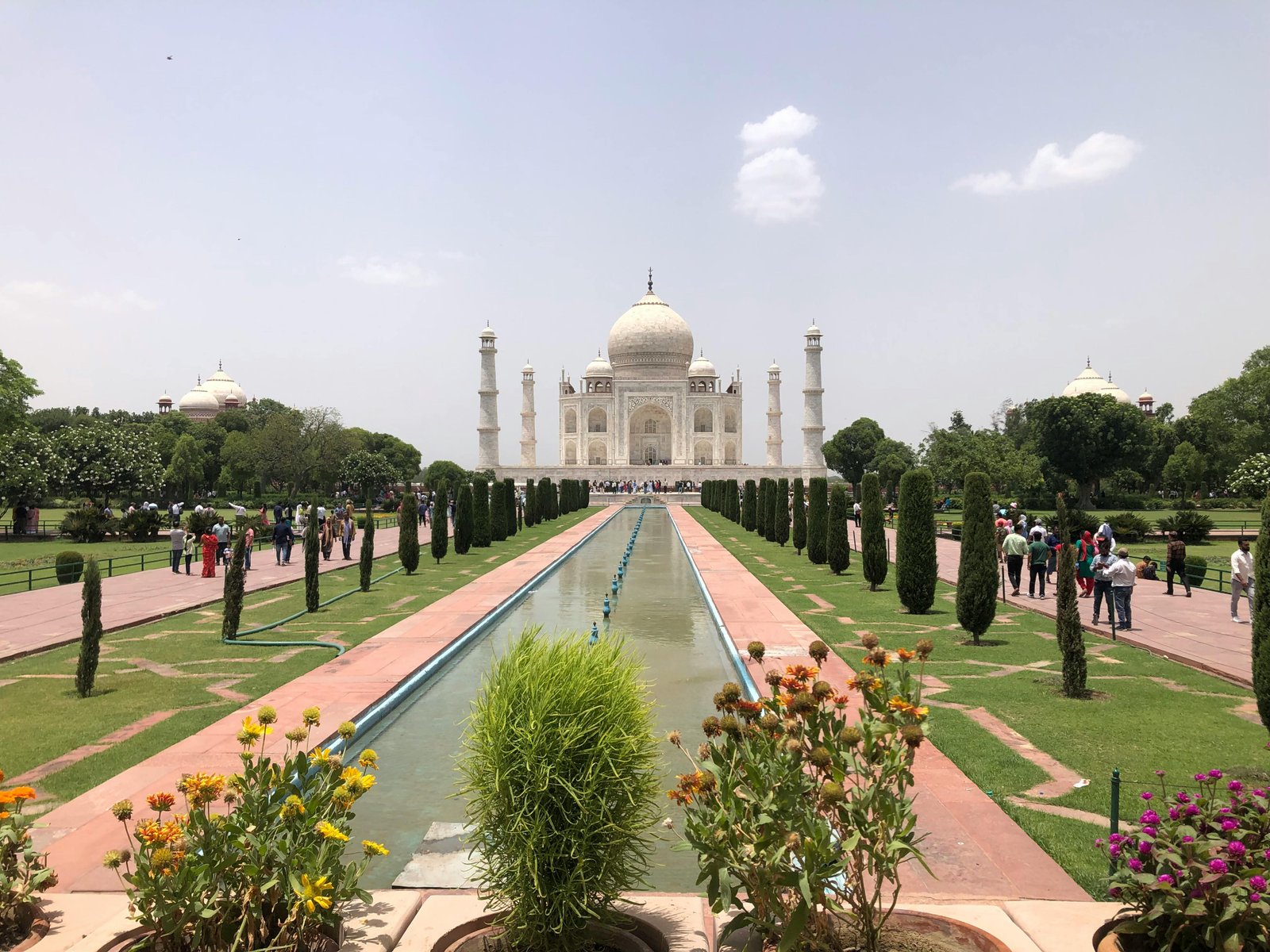
Mexico to India: a calm first-time travel guide
Mexico City and Cancún connections, visa steps, and how to pace a first India itinerary without rushing the classics.
Read article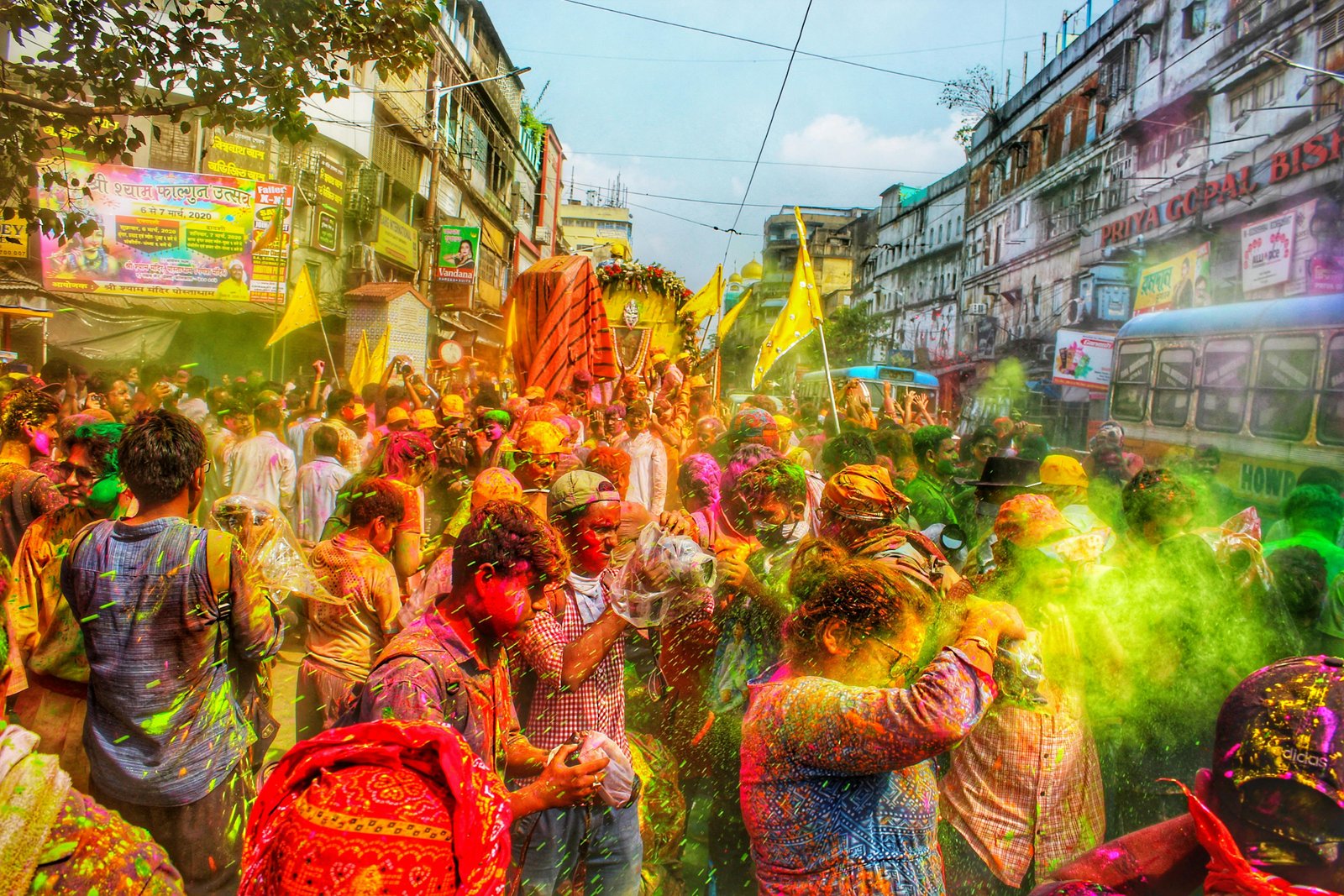
From Canada to India: custom journey tips that actually help
Toronto and Vancouver departures, CAD budgeting, winter sun timing, and how Canadian families can pace India without burnout.
Read article